Learning Outcomes in Listing:
i. Recognize the importance of nitrogen in protein synthesis in plants.
ii. Understand the role of magnesium in chlorophyll formation.
iii. Identify the effects of nitrogen and magnesium deficiencies on plant growth.
Learning Outcomes Described:
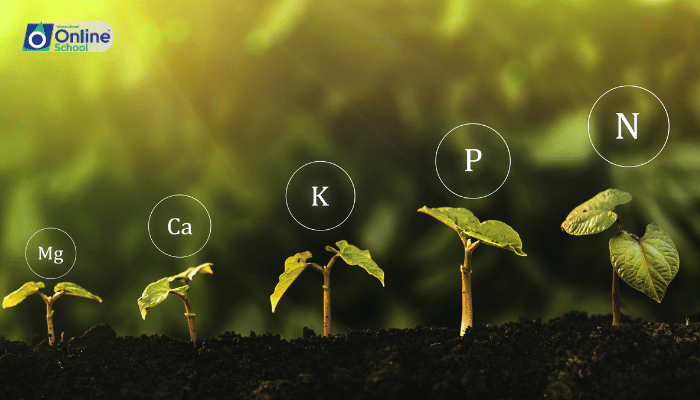
Students will learn about the pivotal roles of nitrogen and magnesium in plant health and development. Nitrogen is fundamental for synthesizing proteins, the building blocks of plant cells. Magnesium is essential for chlorophyll, the molecule that enables photosynthesis. Students will also explore the consequences of deficiencies in these nutrients and their impact on plant growth.
Summary of Lesson:
In this lesson, we will explore why nitrogen is vital for protein synthesis and why magnesium is crucial for chlorophyll formation. We will also discuss what happens to plants when they are deprived of these important nutrients, using specific symptoms of deficiency to illustrate these effects.
Content:
i. Nitrogen in Protein Synthesis: Nitrogen is a major component of amino acids, the building blocks of proteins. Proteins are essential for cell structure, enzymes, and many other functions within the plant.
ii. Magnesium in Chlorophyll Formation: Magnesium acts as the central atom in the chlorophyll molecule, allowing plants to capture light energy for use in photosynthesis.
Effects of Nutrient Deficiency:
Lack of Nitrate Ions: Deficiency in nitrogen typically leads to stunted growth, yellowing of leaves (chlorosis), and poor yield because of inadequate protein synthesis.
Lack of Magnesium Ions: Magnesium deficiency can cause interveinal chlorosis, where leaf tissue turns yellow but veins remain green, and may lead to the premature fall of leaves, reducing the plant’s ability to photosynthesize and grow.
List of Important Questions for Self-Study:
i. Why are nitrogen and magnesium considered essential nutrients for plants?
ii. How do plants absorb nitrogen and magnesium from the soil?
iii. What are some visual indicators of nitrogen and magnesium deficiencies in plants?
iv. How can nitrogen and magnesium deficiencies be corrected in agricultural settings?
v. What is the relationship between protein synthesis and plant growth?
Important Terminologies Used in Lesson:
Protein Synthesis: The process in which cells build proteins, which requires nitrogen.
Chlorophyll: The green pigment in plants that absorbs light energy for photosynthesis, which requires magnesium.
Chlorosis: The yellowing of leaf tissue due to the breakdown of chlorophyll.
Amino Acids: Organic compounds that combine to form proteins, containing carbon, hydrogen, oxygen, and nitrogen.
Photosynthesis: The process by which green plants use sunlight to synthesize foods from carbon dioxide and water.
